

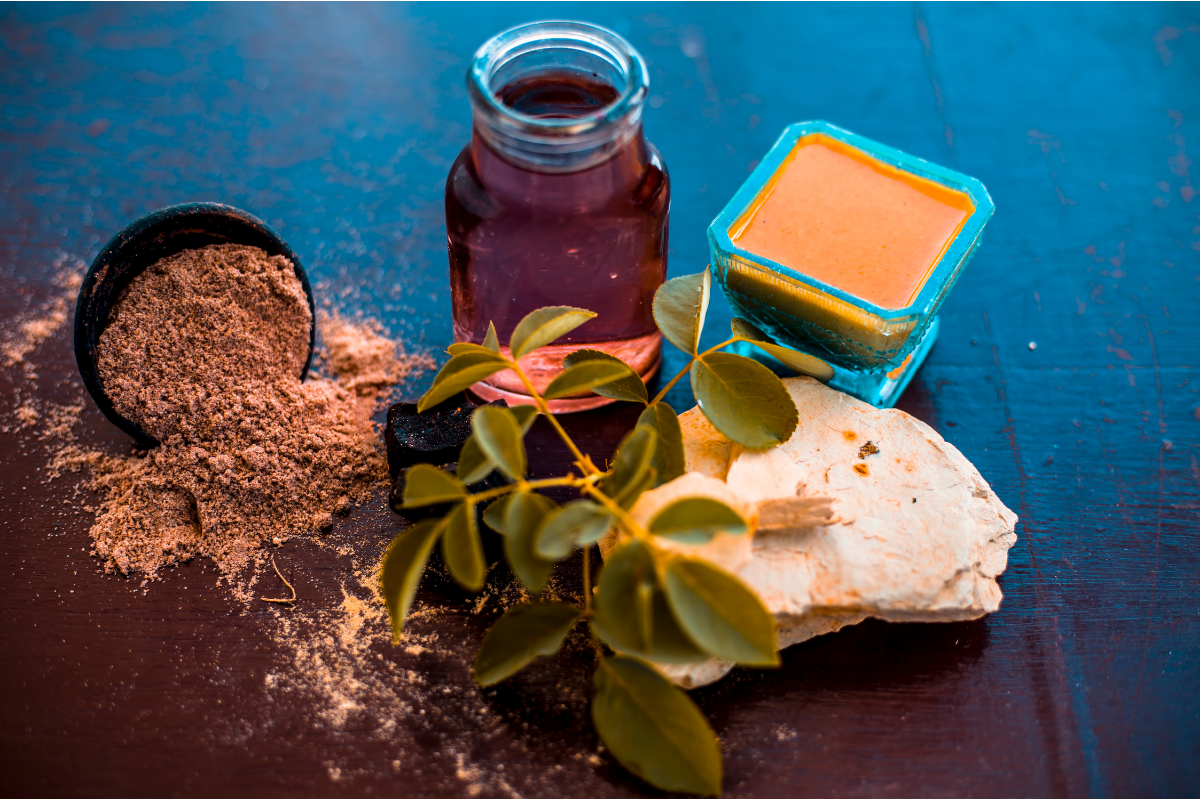
Ayurveda vs. Conventional Acne Treatment: Where They Align and Where They Differ
Acne rarely has a single, simple story. For one person, it may mean occasional breakouts; for another, persistent inflammation, painful lesions, marks, or scarring. That is why treatment often raises an important question: Should you take a holistic route, follow conventional dermatological care, or first understand what each approach offers?
Holistic Ayurvedic acne treatment starts from different medical frameworks, yet both aim to manage breakouts and improve skin health. The real difference lies in how they assess the problem and the methods they use. Understanding these distinctions can help you choose more confidently, rather than assuming one approach suits everyone.
How Ayurveda Approaches Acne: Looking Beyond the Breakout
In Ayurveda, acne is commonly discussed in relation to Yauvan Pidika. Rather than viewing a breakout only as a surface-level skin concern, the Ayurvedic approach considers the individual’s constitution, lifestyle, diet, and broader patterns of imbalance.
Ayurvedic acne treatment is a personalised approach that combines consultation, herbal preparations, lifestyle adjustments, and skin-focused therapies based on individual needs.
The approach generally looks at factors such as:
- Dosha balance: Particularly patterns associated with Vata, Pitta, and Kapha, or other constitutional factors.
- Diet and digestion: Food habits may be considered alongside the person’s overall digestive patterns.
- Lifestyle influences: Sleep, stress, and daily routines can form part of the assessment.
- Individualised care: Recommendations may vary rather than following one standard plan for every person.
The central idea behind Ayurvedic treatment for acne is therefore broader than simply applying something to an active pimple. It aims to understand the person and the circumstances surrounding recurring skin concerns.
How Conventional Acne Treatment Targets the Condition
Conventional dermatology approaches acne through recognised biological mechanisms, including excess oil production, clogged pores, bacterial involvement, and inflammation. Treatment is generally selected according to acne type, severity, medical history, and the person’s response to previous care.
Current dermatology guidelines support several evidence-based options, including topical retinoids, benzoyl peroxide, certain antibiotics, azelaic acid, hormonal therapies in appropriate cases, and isotretinoin for severe acne. Depending on the condition, a treatment plan may involve:
- Topical treatments to unclog pores or reduce inflammation.
- Combination therapies that target acne through more than one mechanism.
- Oral medicines for appropriate moderate or severe cases.
- Specialist assessment when acne is persistent, severe, or causing scars.
This approach is particularly structured around clinical evidence and measurable treatment pathways. Progress can be monitored over time, and treatment may be adjusted when the initial plan does not produce an adequate response.
Where Ayurveda and Conventional Acne Treatment Align
Although their underlying frameworks differ, the two approaches are not entirely at odds. There are several areas where their broader goals can overlap:
- Both recognise that acne varies from person to person. Severity, skin type, recurring patterns, and individual circumstances matter when considering care.
- Both can involve personalised decision-making. Dermatologists may tailor treatment to severity and medical factors, while acne-focused, holistic Ayurvedic treatment considers constitution and broader lifestyle patterns.
- Both aim to reduce active breakouts and inflammation. The methods differ, but improving the skin condition remains a shared objective.
- Both acknowledge the importance of ongoing care. Acne management is often not about finding a one-time fix; consistency and appropriate follow-up can matter.
- Both may consider lifestyle alongside treatment. Conventional guidelines include skincare advice, while Ayurveda places greater emphasis on daily habits, diet, and overall balance.
Where They Differ: A Side-by-Side Comparison
The clearest difference lies in the framework each system uses to understand and manage acne. Ayurvedic treatment for acne care generally takes a broader constitutional and lifestyle-based view, while conventional dermatology follows clinically defined pathways based on acne severity and established disease mechanisms.
| Aspect | Ayurveda | Conventional treatment |
|---|---|---|
| Starting point | Considers constitution, dosha balance, diet, lifestyle, and overall patterns | Assesses acne type, severity, medical history, and clinical presentation |
| Main focus | Aims to address broader imbalances believed to contribute to the condition | Targets recognised mechanisms such as clogged pores, inflammation, and excess sebum |
| Treatment methods | May include personalised herbal preparations, dietary guidance, and lifestyle measures | May use topical agents, oral medicines, hormonal therapies, or isotretinoin when appropriate |
| Personalisation | Often centred on the individual's constitution and habits | Usually based on severity, acne pattern, response to treatment, and medical factors |
| Evidence framework | Research exists for some formulations and herbal ingredients, but evidence varies considerably | Treatments are guided by clinical trials and established dermatology guidelines |
| Lifestyle role | Usually forms a central part of care | Considered alongside medical treatment and skincare advice |
What Should You Consider When Choosing an Approach for Acne?
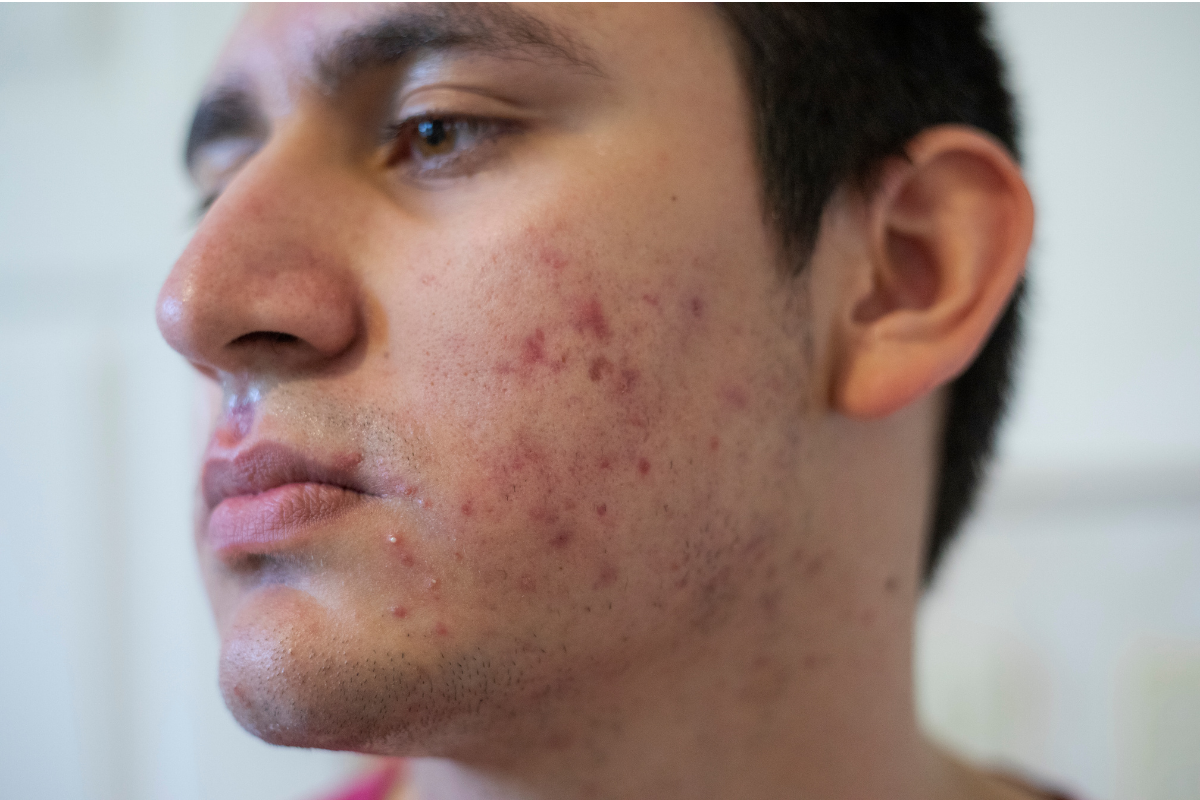
Choosing how to manage acne should begin with your actual condition rather than following what worked for someone else.
- Look at the severity first. Occasional mild breakouts and painful, widespread acne are different situations. Persistent nodules, cysts, or scarring deserve professional assessment.
- Be realistic about your goals. If you are exploring acne addressed through personalised Ayurvedic treatment, consider whether you want a broader approach that includes lifestyle and personalised guidance alongside skin-focused care.
- Check the safety of combining treatments. Do not casually mix prescription medicines, supplements, and herbal preparations without discussing them with a qualified healthcare professional.
- Give appropriate treatment time to work. Acne often improves gradually. Positive treatment effects may take several weeks to become noticeable, while persistent or worsening acne may need a treatment review.
Clear Skin Starts With An Informed Choice
There is no single rule for managing acne. Customised Ayurvedic treatment for acne may appeal to those seeking a personal, holistic perspective, while conventional dermatology offers established clinical treatment pathways. At Ayur Vaidya, we focus on understanding individual needs through an Ayurvedic lens and supporting overall skin wellness with personalized guidance. The right next step begins with understanding your skin, not blindly following a trend.

Dr. Subina Parveen
Frequently Asked Questions
Can I use Ayurvedic acne treatment while I am already using prescription acne medication?
Possibly, but do not combine treatments without professional guidance. Some herbal preparations or therapies may not be suitable alongside certain medicines. Tell both your dermatologist and Ayurvedic practitioner about everything you are currently using.
How long should I wait before deciding that my current acne treatment is not working?
Acne treatments often need several weeks before noticeable improvement appears. Avoid stopping too soon, but if your skin worsens, causes significant irritation, or shows no progress after an appropriate treatment period, consult your healthcare professional.
Can diet and lifestyle changes alone help with persistent acne?
Diet and lifestyle changes may support overall skin health and help address individual triggers, but persistent acne may require additional treatment. Their role varies from person to person, especially when breakouts are moderate, severe, or recurring.
What should I do if my acne is painful, suddenly worsening, or leaving scars?
Seek professional medical assessment rather than experimenting with multiple products. Painful nodules, rapidly worsening breakouts, or scarring can require timely treatment, and early intervention may help reduce further skin damage and long-term marks.
How can I decide whether an Ayurvedic consultation is appropriate for my particular acne concerns?
Consider your acne pattern, severity, treatment history, and personal preferences. An Ayurvedic consultation may suit those interested in a personalised approach, but severe, painful, or scarring acne should also receive appropriate dermatological evaluation.


