

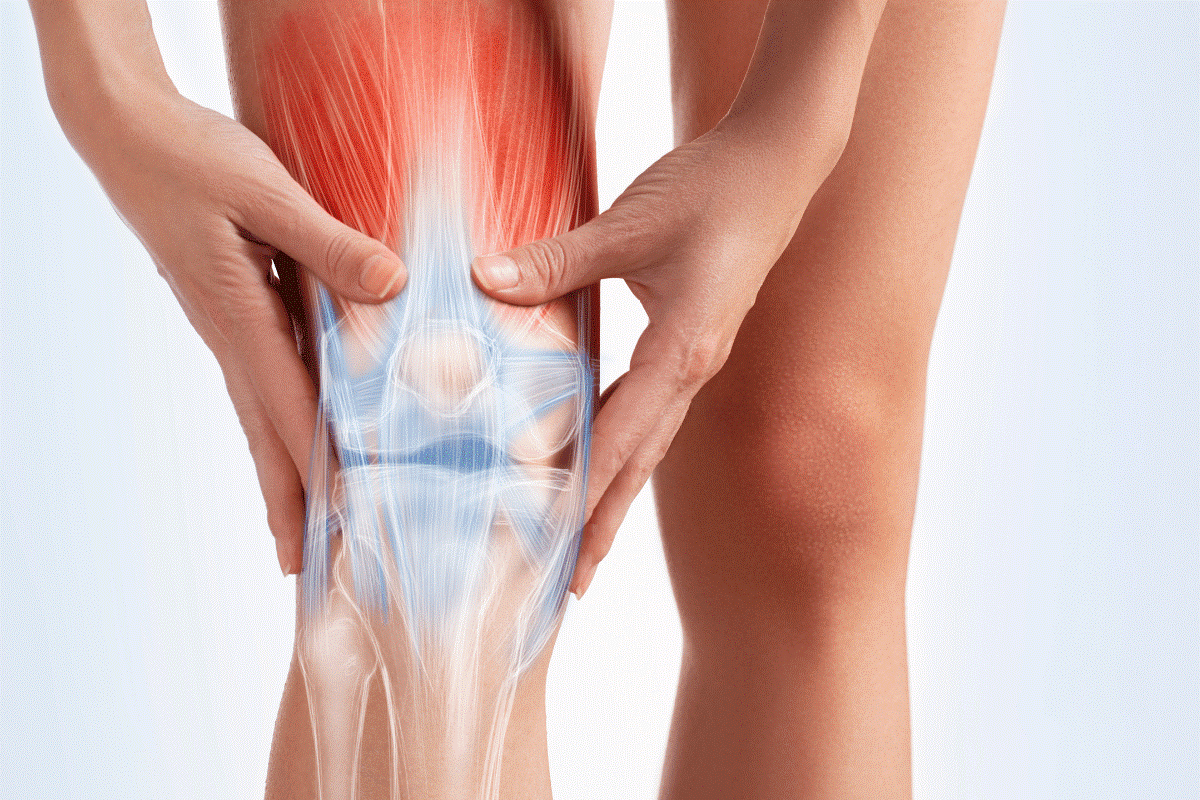
Can Ayurveda Actually Reduce Arthritis Pain Without Side Effects?
Arthritis affects millions of people worldwide, and for many, conventional pain management means long-term medication with a list of side effects that can feel as disruptive as the condition itself. If you have been searching for a gentler path forward, arthritis ayurvedic treatment offers a time-tested, holistic alternative rooted in over 3,000 years of clinical tradition. At Ayur Vaidya, we approach arthritis not as a single diagnosis but as an imbalance in the body that can be identified, treated, and reversed through personalised Ayurvedic care.
How Ayurveda Understands Arthritis
In Ayurveda, most forms of arthritis are classified under Amavata (rheumatoid arthritis) or Sandhivata (osteoarthritis). Both conditions are linked to the accumulation of Ama, a toxic residue produced by poor digestion, and an aggravated Vata dosha that disrupts the joints.
Rather than suppressing symptoms, Ayurvedic treatment targets the root cause. This means detoxifying the system, restoring digestive strength, and reducing inflammation through therapies and herbal formulations that work with your body rather than against it.
Arthritis Ayurvedic Treatment: What the Process Looks Like
At Ayur Vaidya, your treatment plan begins with a detailed Prakriti assessment. Our practitioners identify your dosha imbalance, the severity of Ama accumulation, and the specific joints affected before recommending any therapy.
Treatment typically combines several approaches
Panchakarma therapies such as Virechana (therapeutic purgation) and Basti (medicated enema) are used to eliminate toxins from deep tissues. These are among the most effective Ayurvedic interventions for chronic joint conditions.
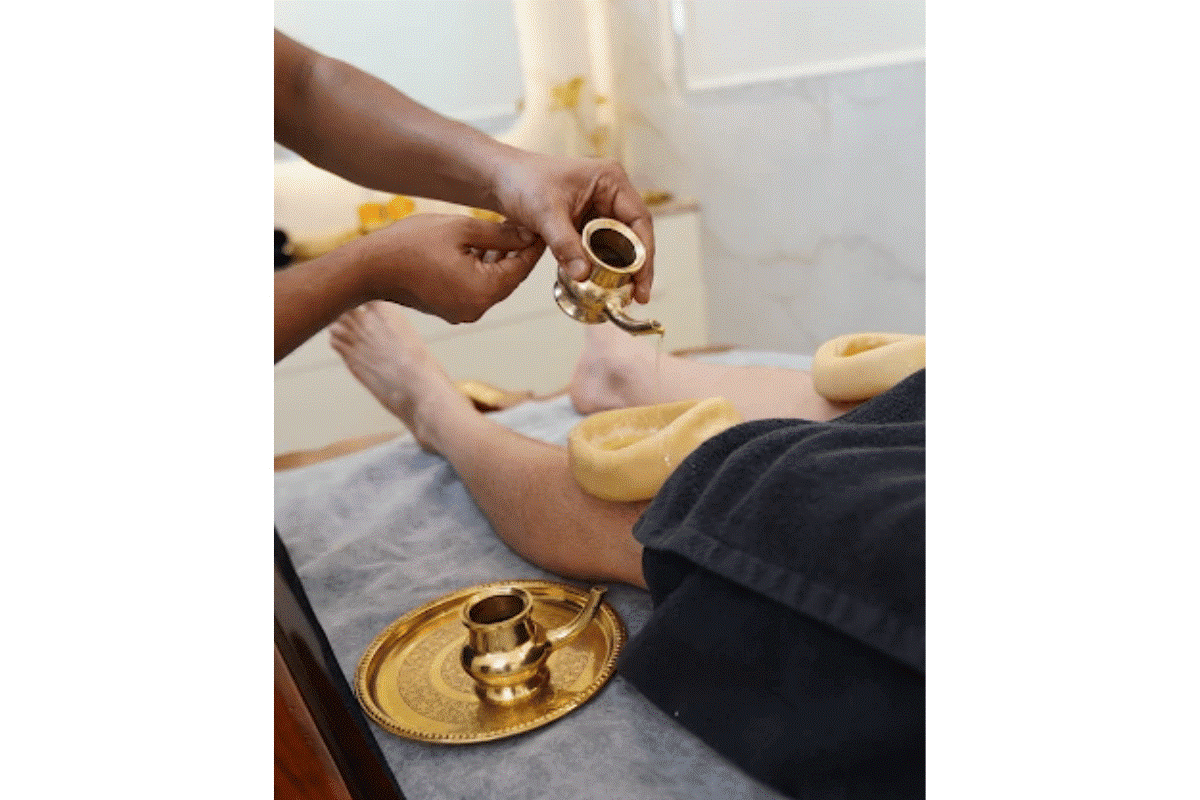
Abhyangam with medicated oils such as Mahanarayan or Dhanwantharam oil is applied to reduce stiffness, improve circulation, and nourish the joints. Clients often notice reduced morning stiffness within the first week of consistent treatment.
Herbal formulations including Guggulu-based preparations, Shallaki (Boswellia), and Ashwagandha are prescribed based on your specific condition. These herbs have well-documented anti-inflammatory properties and are free from the gastrointestinal and cardiovascular risks associated with long-term NSAID use.
Dietary and lifestyle adjustments are also central to the plan. Warm, easily digestible foods, specific movement routines, and sleep protocols are all part of your programme.
Does It Actually Work?
The short answer is yes, for most clients. Results vary depending on the type and stage of arthritis, but consistent Ayurvedic care has helped our clients reduce pain levels, improve joint mobility, and decrease dependence on conventional pain medication. Many report improvements within two to three weeks of starting treatment.
Living with arthritis pain should not be your only option. Explore personalised arthritis ayurvedic treatment on our website and book your consultation today.

Dr. Subina Parveen
Frequently Asked Questions
Is arthritis ayurvedic treatment safe alongside my current medication?
Yes, in most cases. Our practitioners will review your current medications and ensure there are no contraindications. We never advise stopping prescribed medication without consulting your physician.
How long does treatment take?
A standard Panchakarma course runs 14 to 21 days. Maintenance therapy and herbal support continue beyond that based on your progress.
Is this suitable for rheumatoid arthritis as well as osteoarthritis?
Both conditions are treated at Ayur Vaidya, though the protocols differ. Rheumatoid arthritis requires more intensive detoxification, while osteoarthritis focuses heavily on joint nourishment and Vata pacification.


