

Does Ayurvedic Medicine Have Side Effects?
Yes, Ayurvedic medicine can have side effects, and the risk depends heavily on what kind of treatment you're getting and where it comes from. Therapy-based Ayurveda, massage, oil treatments, steam therapy, supervised by a licensed practitioner, carries a low risk profile similar to other bodywork therapies. Oral herbo-mineral formulations sourced without regulation, particularly those bought online, carry a documented and more serious risk: heavy metal contamination.
At Ayur Vaidya, we're a DHA-licensed Ayurveda clinic in Dubai offering authentic treatments through certified practitioners trained in India, and we think patients deserve a straight answer to this question rather than a marketing one. This guide covers what the actual research says about Ayurvedic side effects, so you know what to ask before starting any treatment.
The Real Risk: Heavy Metals in Unregulated Oral Formulations:
This is where the documented safety concerns concentrate. The FDA has issued repeated warnings after testing unapproved Ayurvedic products and finding high levels of lead, mercury, and arsenic, in some cases alongside undisclosed toxins. A peer-reviewed toxicology study found that roughly one in five Ayurvedic medicines purchased online exceeded WHO safety limits for lead, mercury, or arsenic, and a 2025 New Zealand analysis found lead in two-thirds of the Ayurvedic medicines tested. A separate study of formulations from north India detected heavy metals in every single sample analyzed, with only 28% of products actually listing metals on the label.
Why This Doesn't Apply Equally to All Ayurvedic Treatments:
The heavy metal research specifically concerns oral herbo-mineral preparations, often called rasa shastra or bhasma formulations, which intentionally include processed metals believed in classical Ayurveda to be therapeutic once purified. This is a distinct category from therapy-based Ayurveda: Abhyanga oil massage, Shirodhara, herbal steam, and Panchakarma detox protocols, which work through topical application and manual therapy rather than ingested mineral compounds. Lumping every form of Ayurveda into one risk category misses this distinction, and it's the one most patients researching an Ayurveda clinic in Dubai actually need to understand.
Oral Formulations vs Therapy-Based Treatment: Different Risk Profiles:
| Unregulated oral herbo-mineral products | Supervised therapy-based Ayurveda | |
|---|---|---|
| Documented risk | Heavy metal contamination (lead, mercury, arsenic) | Occasional skin irritation or allergic reaction to oils |
| Regulatory oversight | Often none, especially online-sourced | DHA licensing applies to clinics in the UAE |
| Common source of harm | Undisclosed metal content, mislabeling | Rare, usually a known oil/herb sensitivity |
| Mitigated by | Avoiding unregulated online purchases | Practitioner intake, patch testing, disclosed allergies |
Herb-Drug Interactions Are a Real, Separate Concern:
Beyond contamination, certain Ayurvedic herbs can interact with prescription medications, affecting blood thinners, diabetes medication, or blood pressure drugs, in ways that aren't always obvious to a patient. This is exactly why a proper consultation before treatment matters: a qualified Ayurvedic practitioner should be asking about your current medications and health conditions before recommending any herbal formulation, not just before a massage.
A Detail Worth Knowing:
Classical Ayurvedic theory holds that metals used in bhasma preparations are rendered safe through a specific purification process (shodhana) before use. Some laboratory studies on animal models have supported safety for certain purified formulations under controlled conditions. But real-world testing tells a different story: researchers have found that manufacturing inconsistency, environmental contamination of raw herbs, and unregulated production mean the purification process isn't reliably achieving that safety outcome across the products actually sold, especially those without proper quality testing behind them.
Who Should Be Extra Cautious:
Heavy metal toxicity is particularly dangerous for young children, whose developing brains are more vulnerable to lead and mercury exposure, and for pregnant women, where risk extends to the developing fetus. If you're pregnant, treating a young child, or already managing a chronic condition with prescription medication, these are exactly the situations where a supervised consultation, rather than a self-selected online purchase, matters most.
Questions to Ask Before Starting Any Ayurvedic Treatment:
A short list worth working through before any treatment: Is the clinic DHA-licensed, and is the practitioner formally trained? Have you disclosed your current medications and any existing conditions? Can the practitioner explain how their herbal products are sourced and whether they're tested for contaminants? And for a first visit, does the recommended treatment start with therapy-based care rather than an oral formulation you haven't discussed in detail?
How Ayur Vaidya Approaches This:
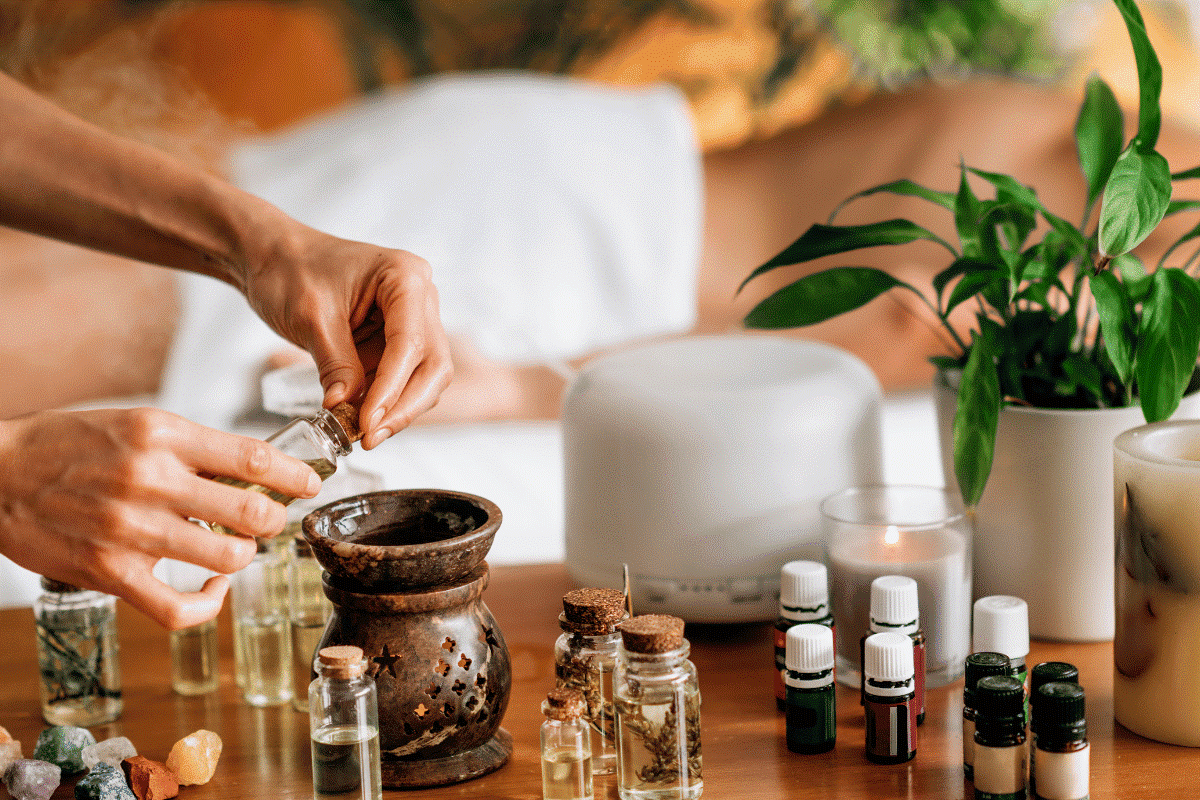
As a DHA-licensed Ayurveda clinic in Dubai, we require a consultation with a certified practitioner before any treatment plan is set, precisely so medications, allergies, and health history are on the table upfront. Our core offerings, Abhyanga massage, Shirodhara, Panchakarma detoxification, and herbal steam therapy, sit in the therapy-based category, using medicated oils and herbal preparations rather than the unregulated oral metal formulations behind most of the documented poisoning cases.
A Note on This Guide:
This article summarizes published toxicology research and regulatory warnings and is intended as general information, not medical advice. Ayurvedic treatment, like any therapeutic system, carries risk that varies by formulation, sourcing, and individual health status. Always disclose your full medical history and current medications to any practitioner, and consult your physician before starting a new treatment, particularly if you are pregnant, treating a child, or managing an existing condition.
Book a Consultation at Ayur Vaidya:
If you're considering Ayurveda and want a proper consultation before starting any treatment, our certified practitioners at our Arjan and Dubai Festival Plaza locations can walk you through what's actually right for your health history. Get in touch to schedule a consultation.

Dr. Nifina Najimudeenkunju
Frequently Asked Questions
Does Ayurvedic medicine have side effects?
Yes, though the risk varies significantly by treatment type. Therapy-based treatments like massage and herbal steam carry low risk, while unregulated oral herbo-mineral formulations, particularly those bought online, carry documented risk of heavy metal contamination.
Is it true that Ayurvedic medicines can contain lead or mercury?
Yes. Multiple studies, including FDA testing and independent toxicology research, have found lead, mercury, or arsenic in a meaningful share of Ayurvedic products, especially unregulated oral formulations sourced online.
Are Ayurvedic massages and oil treatments safe?
Generally yes, when performed by a trained practitioner at a licensed clinic. The documented safety concerns in the research are concentrated in ingested herbo-mineral formulations, not topical massage or steam therapies.
Can Ayurvedic herbs interact with prescription medication?
Yes. Certain herbs can interact with blood thinners, diabetes medication, and blood pressure drugs, which is why disclosing your current medications to a qualified practitioner before treatment matters.
How do I know if an Ayurveda clinic in Dubai is safe?
Confirm the clinic is DHA-licensed, ask whether practitioners are formally trained, and ask how herbal products are sourced and tested before starting any treatment plan.


