


Prakriti vs. Vikriti: Your Constitution vs. Your Current Imbalance
Have you ever taken a dosha quiz and wondered why the result did not quite match how you usually feel? That confusion often comes from mixing up two important Ayurvedic ideas: Prakriti, your underlying constitution, and Vikriti, your present state of imbalance.
In Ayurveda, these concepts help practitioners look beyond a single symptom or a temporary phase. Your natural tendencies may remain relatively consistent, while your current health can shift with changing habits, stress, diet, environment, and other factors.
Understanding the difference is one reason a detailed consultation at an Ayurveda clinic in Dubai can offer more context than relying on a quick online result alone.
What Is Prakriti? Understanding Your Natural Constitution
Prakriti refers to an individual's inherent constitution within the Ayurvedic framework. It is traditionally understood as the unique combination of doshic tendencies: Vata, Pitta, and Kapha, that shapes certain physical, physiological, and behavioural characteristics.
Think of it as your baseline rather than a description of how you feel on a particularly stressful or unhealthy day. Ayurvedic literature generally treats Prakriti as relatively stable, while recognising that temporary health conditions can sometimes make those underlying traits harder to assess clearly.
A practitioner considers patterns such as:
- Physical tendencies: Body build, skin characteristics, appetite, and temperature tolerance.
- Physiological patterns: Sleep, digestion, and general responses to daily routines.
- Behavioural tendencies: Habits and recurring preferences observed over time.
- Doshic predominance: The relative influence of Vata, Pitta, and Kapha in Ayurvedic assessment.
This is why an Ayurveda clinic in Dubai may look at your longer-term patterns instead of concluding from one current complaint. Prakriti is meant to provide a broader picture of your natural tendencies, not a label that explains every symptom you experience.
What Is Vikriti? Understanding Your Current State of Imbalance
Vikriti refers to the person's present state as understood through Ayurvedic assessment. In simple terms, it reflects what may have shifted from that natural constitutional pattern.
Unlike Prakriti, Vikriti is considered dynamic. Your current state may change as your routine, diet, stress levels, sleep, environment, or health circumstances change. This is why two people with a similar constitutional profile may still have very different concerns at a particular point in time.
Factors an Ayurvedic practitioner explores include:
- Dietary changes or irregular eating habits
- Stress and emotional pressures
- Poor or disrupted sleep
- Changes in daily routine
- Seasonal and environmental influences
- Existing health concerns and symptoms
Assessing doshic imbalances at an Ayurveda clinic in Dubai, while examining these current influences alongside longer-term tendencies, can help create a more individualised picture. An Ayurvedic consultation also considers body constitution, current condition, lifestyle, stress, diet, and other relevant factors before developing personalised guidance.
Prakriti vs. Vikriti: The Key Differences at a Glance
| Aspect | Prakriti | Vikriti |
|---|---|---|
| Basic meaning | Your inherent constitution | Your current state or imbalance |
| Nature | Relatively stable over time | Can change with circumstances |
| What it reflects | Natural physical and behavioural tendencies | Present deviations and concerns |
| Influenced by | Constitutional characteristics | Lifestyle, diet, stress, environment, and health changes |
| Role in assessment | Helps understand the individual's baseline | Helps identify what may currently need attention |
| Simple way to remember it | “Who you are naturally” | “What may be happening now” |
This distinction is important because current symptoms can sometimes obscure a person's baseline tendencies. That is why a detailed assessment at an Ayurveda clinic in Dubai may consider both Prakriti and Vikriti instead of relying on a single questionnaire result.
What Can Influence Your Vikriti Over Time?
Within the Ayurvedic framework, Vikriti is not viewed as a fixed label. It may reflect changes in your present state as different aspects of daily life, behaviour, and environment affect the body's balance. Traditional Ayurvedic origins commonly discuss several influences:
- Diet and eating patterns: Irregular meals or food choices considered unsuitable for an individual's current needs may be assessed.
- Sleep and routine: Disrupted sleep and inconsistent daily habits can affect overall wellbeing.
- Stress and emotional strain: Ongoing pressures may also form part of the wider assessment.
- Physical activity: Both inactivity and unsuitable levels of exertion may be considered.
- Seasonal changes: Ayurveda traditionally recognises that changing environmental conditions can influence the body differently at different times of the year.
- Lifestyle and surroundings: Work patterns, climate, and everyday habits may all contribute to the broader picture.
That is why an Ayurveda clinic in Dubai may look beyond symptoms alone. Understanding what has changed in your life can provide useful context when assessing your current state.
Why Does Knowing Both Matter in an Ayurvedic Consultation?
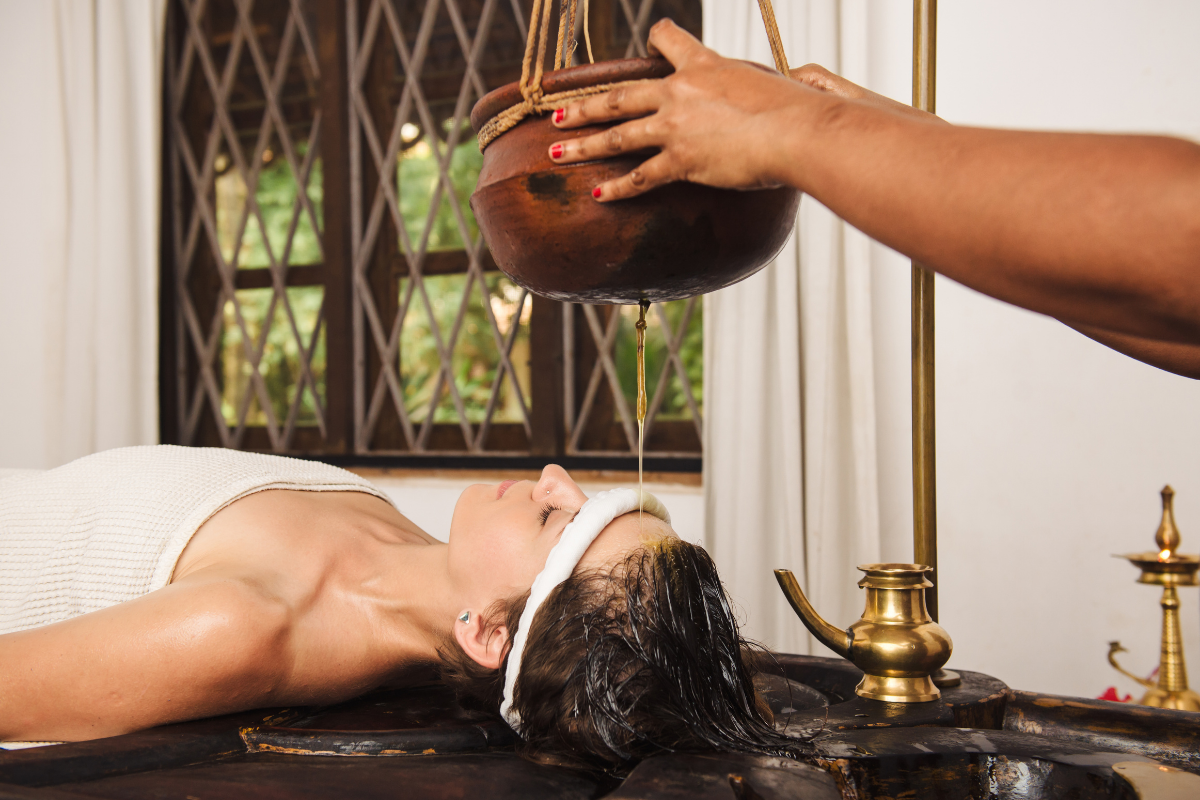
Knowing the distinction between Prakriti and Vikriti helps explain why personalised Ayurvedic care involves more than identifying yourself as simply Vata, Pitta, or Kapha.
- Your baseline provides context. Understanding longer-term tendencies helps create a picture of your natural constitution rather than judging everything by how you feel today.
- Your present concerns need separate attention. A current imbalance may be influenced by recent routines, stress, diet, sleep, or environmental changes.
- The wider pattern can guide personalised advice. A qualified practitioner may consider both the person's baseline and current circumstances before recommending suitable lifestyle or wellness guidance.
- It can reduce guesswork. Instead of repeatedly changing diets or routines based on online quiz results, a detailed assessment can look at the fuller picture.
At an Ayurveda clinic offering individualised care across Dubai, this distinction can be particularly useful when you want guidance that considers both your individual tendencies and your current concerns. A consultation should consider constitution, lifestyle, diet, stress, medical history, and current health needs before developing personalised guidance.
Know Your Baseline, Understand Your Present
Prakriti helps explain your natural constitutional tendencies, while Vikriti focuses on what may be influencing your current state within Ayurveda. Understanding both can make personalised guidance more meaningful. If you are looking for a detailed Ayurveda clinic in Dubai that takes an individual-focused approach, connect with Ayur Vaidya and start with a professional Ayurvedic consultation.
Frequently Asked Questions
Can my Prakriti change as I get older or go through major lifestyle changes?
In Ayurvedic understanding, Prakriti is generally considered your relatively stable constitutional baseline. Age and lifestyle changes may influence how you feel or function, but those changes are more often considered when assessing your current Vikriti.
Why do online dosha quizzes sometimes give me different results at different times?
Your answers may change depending on your current sleep, stress, diet, symptoms, or routine. Many quizzes capture how you feel at that moment, which can make it difficult to separate present changes from longer-term constitutional tendencies.
Can two people with the same Prakriti experience completely different health concerns?
Yes. Even if two people share similar constitutional tendencies, their lifestyles, diets, stress levels, environments, and current circumstances can differ significantly. As a result, their present concerns and the Ayurvedic assessment of their Vikriti may also differ.
How can I tell whether something is part of my natural constitution or a current imbalance?
Look at whether the pattern has been present consistently over a long period or appeared more recently. A qualified Ayurvedic practitioner can explore your history, habits, and current concerns to help distinguish baseline tendencies from newer changes.
Should I avoid changing my diet based only on an online Prakriti or dosha quiz?
It is sensible not to make major dietary changes solely from a quiz result. Online tools can offer general insights, but they cannot replace an individual assessment that considers your health history, current concerns, lifestyle, and nutritional needs.