


What Does an Ayurvedic Detox Look Like, and What Does It Mean?
Detox has become a popular word in modern wellness. It often makes people think of juice cleanses, strict fasting routines, or quick reset programs that promise fast results. Ayurveda, however, approaches detox very differently. It does not aim to shock the system or force rapid change. Instead, it focuses on restoring balance by strengthening digestion, clearing accumulated toxins, and supporting the body’s natural intelligence.
In Ayurvedic thought, toxins, known as Ama, build up when digestion weakens or lifestyle habits fall out of rhythm. Fatigue, bloating, skin concerns, mental fog, or recurring discomfort are often seen as signs that the system needs recalibration. Detox, therefore, is not just about elimination. It is about rekindling metabolic strength and allowing the body to function smoothly again.
This is where panchakarma ayurvedic treatment comes into focus. Rather than being a trend-driven program, it is a structured therapeutic process designed to purify, reset, and rejuvenate under professional supervision. Conducted in a disciplined and individualized manner, it represents Ayurveda’s classical method of deep internal cleansing. Understanding what it involves helps clarify why Ayurvedic detox is both systematic and profoundly restorative.
The Core Philosophy of Ayurvedic Detox
Ayurvedic detox begins with a simple observation: the body already knows how to cleanse itself. When digestion is strong and daily rhythms are stable, waste is eliminated efficiently, and tissues remain nourished. Problems arise when this internal balance weakens. In Ayurveda, the root cause is often linked to Agni, the digestive fire responsible for transforming food into usable energy. When Agni becomes inactive due to irregular eating, stress, or poor sleep, partially digested matter accumulates. This residue is known as Ama.
Ama is not described as a single toxin but as a state of internal congestion. It can affect digestion, immunity, mood, and even clarity of thought. Instead of suppressing symptoms, Ayurvedic detox works to rekindle Agni and clear these blockages gently. The focus remains on restoring function rather than forcing elimination.
Another key concept is the network of bodily channels, or Srotas. These pathways carry nutrients, fluids, and waste. When they are obstructed, vitality declines. Detoxification in Ayurveda, therefore, aims to reopen and nourish these channels so the body can regulate itself naturally.
| Term | Meaning | Why It Matters |
|---|---|---|
| Agni | Digestive and metabolic fire | Determines energy and nutrient absorption |
| Ama | Accumulated toxic residue | Contributes to imbalance and fatigue |
| Srotas | Bodily channels | Support circulation and waste removal |
This philosophy lays the groundwork for deeper therapies such as panchakarma ayurvedic treatment, which builds upon these foundational principles.
Panchakarma: The Signature Ayurvedic Detox Protocol
When people speak about deep Ayurvedic cleansing, they are usually referring to the panchakarma Ayurvedic treatment. The word “Panchakarma” translates to “five actions,” describing a set of classical procedures designed to eliminate deeply rooted toxins from the body. Unlike surface-level cleanses, this protocol is methodical and supervised, tailored to an individual’s condition and strength.
The process traditionally unfolds in stages. It begins with Purva Karma, or preparation. During this phase, the body is gently primed through internal and external oleation using medicated oils. These therapies loosen accumulated toxins and guide them toward the digestive tract for removal. Light dietary adjustments and herbal support may also be introduced to stabilize digestion.
The main cleansing phase then follows, which may include one or more of the five classical procedures: therapeutic emesis (Vamana), purgation (Virechana), medicated enemas (Basti), nasal cleansing (Nasya), and blood purification (Raktamokshana) in specific cases. Each intervention is selected carefully based on the individual’s imbalance, not applied routinely.
After elimination, the final stage focuses on recovery and rejuvenation. Diet is gradually reintroduced, digestion is monitored, and strength is rebuilt. This restorative phase is essential; without it, cleansing would remain incomplete.
A properly administered panchakarma ayurvedic treatment is never abrupt or extreme. It is a disciplined sequence that respects the body’s capacity, aiming not only to remove toxins but also to reset metabolic function and enhance long-term vitality.
Panchakarma: The Five Classical Detox Therapies Explained
At the heart of a traditional panchakarma ayurvedic treatment are five classical procedures, each designed to eliminate toxins from specific pathways in the body. These therapies are not randomly selected; they are prescribed based on the individual’s imbalance, strength, and overall condition.
Vamana is a controlled therapeutic emesis primarily recommended for excess Kapha-related disorders. It helps clear congestion from the respiratory and digestive systems when mucus accumulation becomes excessive. Virechana focuses on purgation. It is commonly advised for Pitta-related imbalances, such as skin concerns, acidity, or inflammatory tendencies. By cleansing the small intestine and liver pathways, it supports metabolic reset.
Basti, or medicated enema therapy, is considered one of the most powerful components. Targeting Vata imbalance, it nourishes and cleanses the colon while supporting joint health, nervous system balance, and deeper tissue repair.
Nasya involves the administration of medicated oils or herbal preparations through the nasal passages. It is used to clear the head region, benefiting sinus health, mental clarity, and stress regulation.
Raktamokshana, a specialized blood purification technique, is applied selectively in certain inflammatory conditions under strict supervision.
A comprehensive panchakarma ayurvedic treatment does not apply all five therapies universally. The sequence and choice depend on careful evaluation, ensuring that detoxification remains therapeutic, measured, and aligned with the body’s capacity.
Who Should Consider Panchakarma and Why
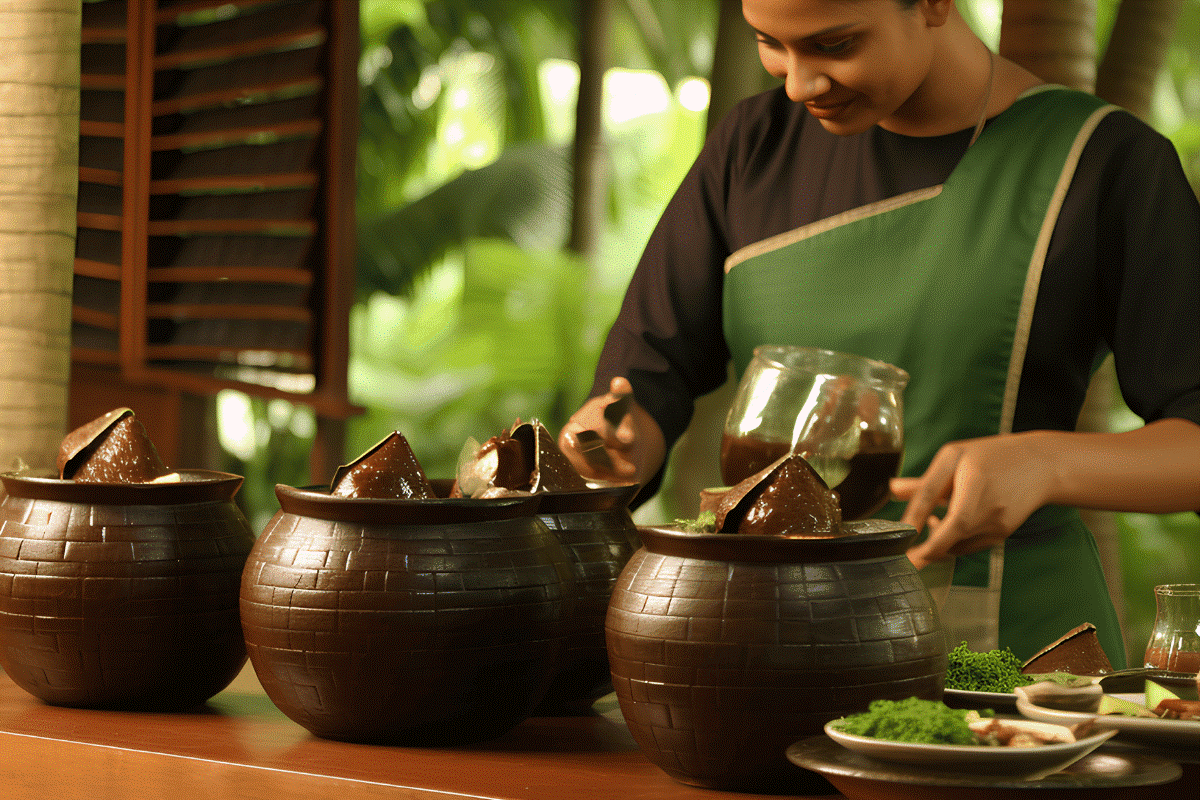
A structured detox is not meant for everyone at every moment. Panchakarma is traditionally recommended when the body shows clear signs of accumulated imbalance and reduced digestive strength. Persistent fatigue, recurring bloating, dull skin, frequent colds, brain fog, joint stiffness, or unexplained heaviness may indicate that toxins have built up over time. In such cases, a supervised panchakarma ayurvedic treatment can help reset internal function rather than simply manage surface symptoms.
It is also considered beneficial during seasonal transitions. Ayurveda recognizes that shifts in climate influence digestion and immunity. Under guidance, cleansing during these periods can prevent deeper imbalances from developing. Individuals recovering from prolonged stress or irregular routines may also benefit, as structured detox allows the nervous system and metabolism to stabilize gradually.
However, Panchakarma is not a casual wellness experiment. It is generally avoided during pregnancy, severe weakness, acute infections, or when the body lacks sufficient strength to undergo elimination therapies. Proper assessment is essential before beginning.
When administered at the right time and in the right manner, a panchakarma ayurvedic treatment supports more than detoxification. It enhances metabolic clarity, improves absorption of nutrients, strengthens immunity, and restores a sense of physical lightness. The goal is not dramatic short-term change, but a steady return to balanced functioning that can be sustained through disciplined lifestyle practices afterward.
Rejuvenate with a Trusted Panchakarma Ayurvedic Treatment
Deep cleansing should never feel extreme or uncertain. When guided properly, it becomes a steady process of renewal. At Ayur Vaidya, each panchakarma treatment is approached with careful assessment, disciplined planning, and close supervision. The goal is not rapid results, but meaningful correction of imbalance.
Before beginning, our Vaidya’s (traditional practitioners) evaluate digestion, strength, lifestyle patterns, and medical history to determine suitability. The therapies are then selected thoughtfully, ensuring the body is prepared, supported, and restored at every stage. Equal importance is given to post-treatment recovery, because rebuilding digestive strength and vitality is what sustains long-term benefits.
A well-structured panchakarma ayurvedic treatment can help improve metabolic clarity, support immune resilience, and restore a sense of lightness that many people have forgotten is possible. More importantly, it reconnects you with disciplined habits that protect health beyond the detox period itself.
If you are considering a deeper reset rather than another temporary cleanse, seeking guidance from experienced Ayurvedic practitioners may be the first step toward lasting balance and renewed well-being.